

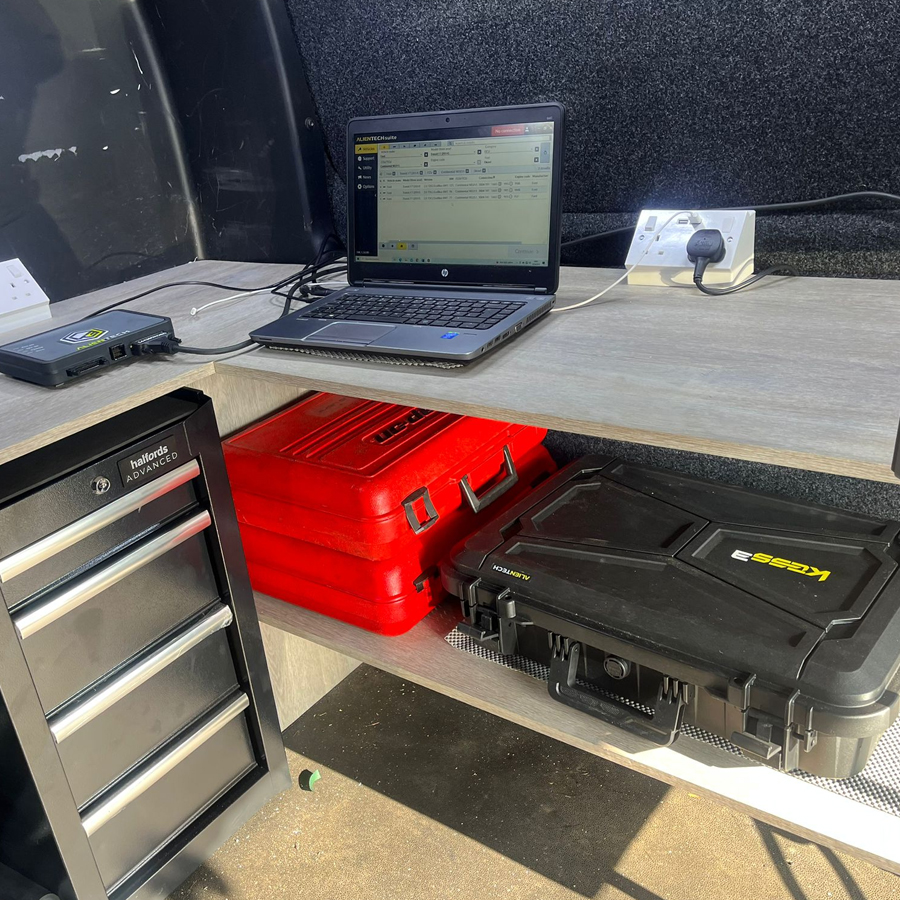
AdBlue Delete
AdBlue is a solution made up of urea and deionized water that is used to reduce harmful nitrogen oxide (NOx) emissions in diesel cars. It is injected into the exhaust system, where it breaks down the NOx into nitrogen and water vapour, which are harmless to the environment.
The use of AdBlue is becoming increasingly common due to stricter emissions regulations around the world. It is required by law in many countries, including the United Kingdom, European Union and the United States.
AdBlue is a cost-effective and efficient solution for reducing emissions, as it can reduce NOx emissions by up to 90%. It also helps diesel cars to meet the latest emissions standards, which can be a requirement for some drivers, particularly those who live or work in areas with high levels of air pollution.
What Are AdBlue Delete Services?
AdBlue delete services refer to the process of removing the AdBlue system from a diesel-powered vehicle. AdBlue delete can be done through several methods, including removal kits, removal services, emulators, and software updates.
This process can result in reduced costs, increased flexibility, and increased vehicle reliability. However, it’s important to choose a reputable provider for AdBlue delete services to ensure that the process is done correctly and does not harm the vehicle’s engine. Hugo’s Remaps provides comprehensive services, including AdBlue delete, dyno tests, and engine remapping, all under one roof, and at highly competitive pricing.
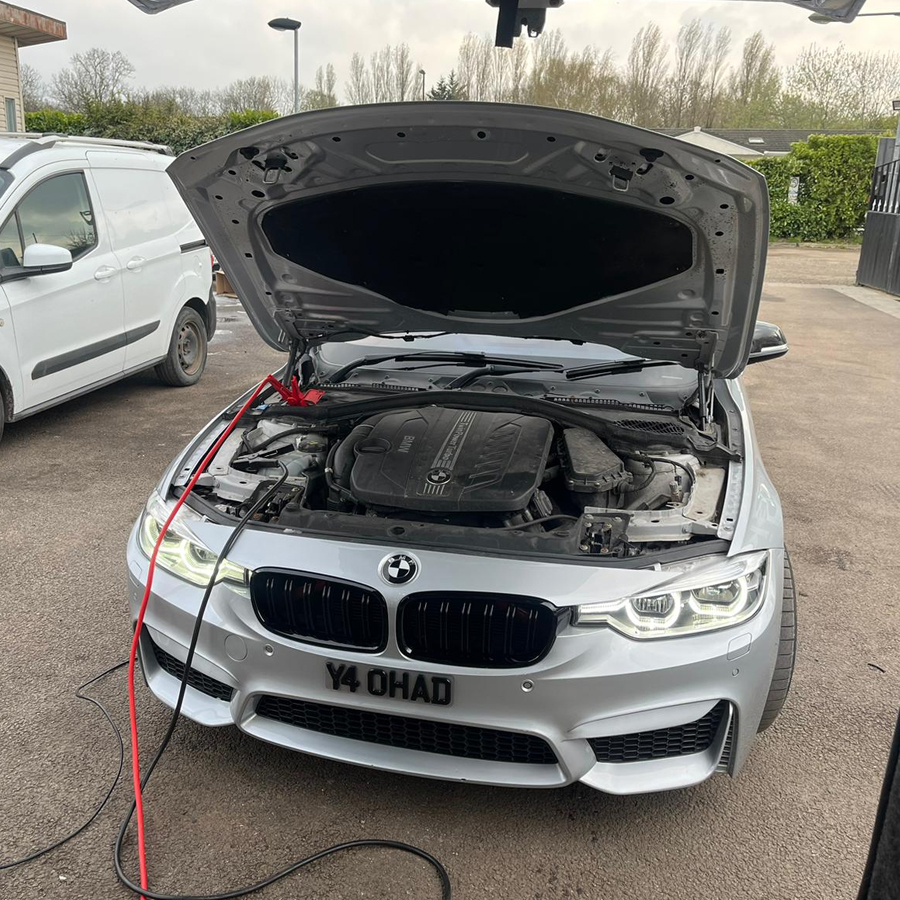

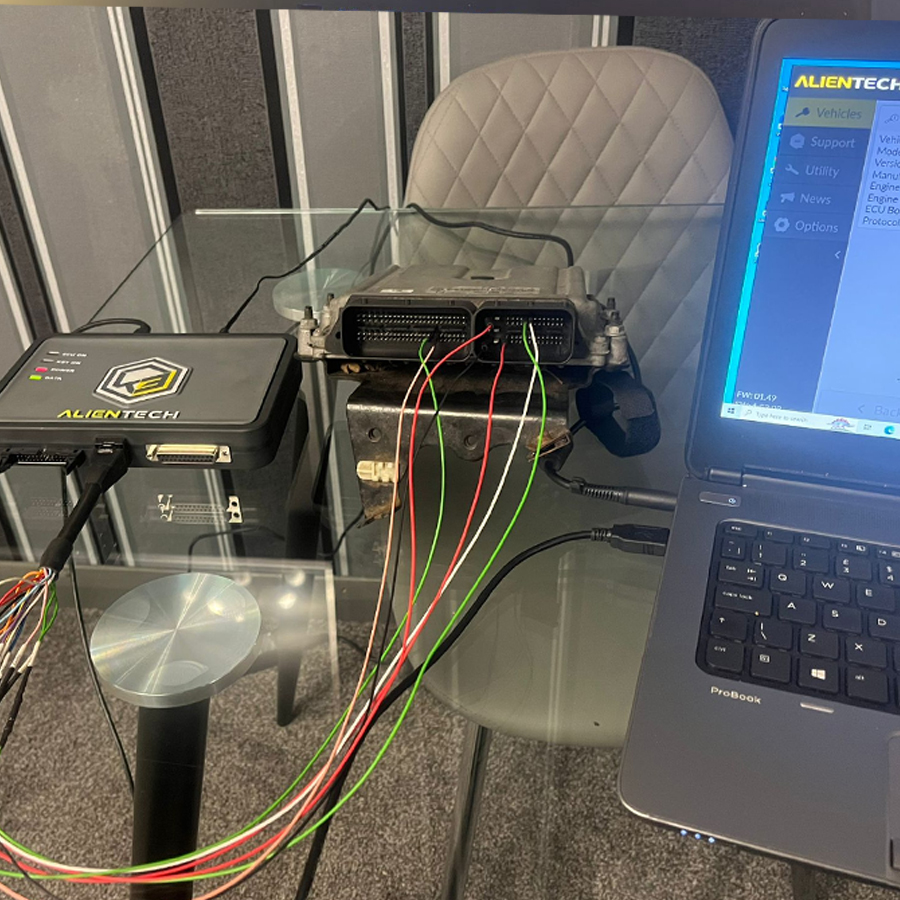
Please Note – Our AdBlue delete service electronically disables the AdBlue system, while also removing any related dashboard lights and warning messages. To do this, we typically reprogram the engine management system. In some cases, it may be necessary to hardwire a small electronic unit into the vehicle.
It is important to note that our AdBlue delete service is for off-road use only, and driving a vehicle on the road with an AdBlue delete can lead to prosecution. Additionally, our HGV and agricultural AdBlue services are solely intended for vehicles being exported outside the European Union. It is your responsibility to declare this modification to the relevant authorities.
